
Your IME Report Will Be Cross-Examined. Write It That Way.
Opposing counsel reads your IME report looking for cracks. Here is how citation-backed documentation closes them before you ever take the stand.

7 Ways to Write a Medical Chronology Both Sides Actually Use
Lawyers build causation narratives. Adjusters calculate reserve exposure. The same medical chronology lands on both desks, and most fail at least one reader. Here's how to write one that works for both audiences without compromising either goal.
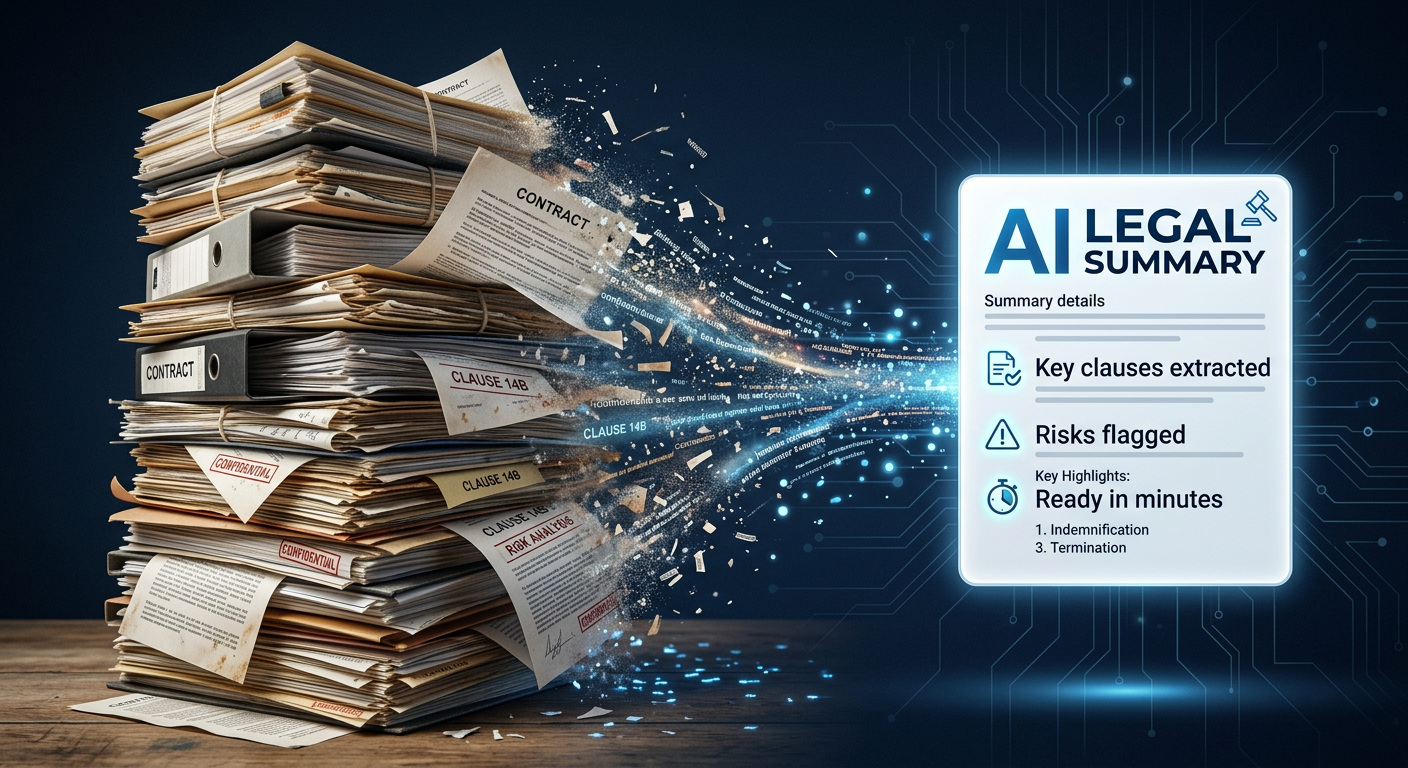
How AI Is Reshaping Economics at Small Law Firms
Small and mid-sized law firms are quietly closing the gap on BigLaw, not by hiring more associates, but by deploying AI that handles the document-heavy work in minutes. Here is what the shift actually looks like inside a personal injury or medical-legal practice.

Why 70-Hour Demand Prep Is Killing Your Settlement Value
Manual demand letter preparation consumes up to 114 hours per case, and that bottleneck does more than slow your team down. It directly caps how many high-value demands your firm can produce and how much money gets left on the table at settlement.

Prior Auth Denials Are a Documentation Problem You Can Fix
Most prior authorization denials don't happen because the treatment was wrong. They happen because the paperwork didn't prove it was right, and that's a fixable gap.

1.68 Million IMR Decisions Show What Documentation Wins
A California Workers' Compensation Institute analysis of 1.68 million IMR decision letters reveals documentation quality is now the deciding variable in treatment disputes. Here's what that means for your case strategy.

One Chronology, Two Audiences: Satisfy Lawyers and Adjusters
Attorneys and insurance adjusters use the same medical chronology for opposing purposes. A document that serves only one audience actively undermines the other's goals, and that costs you time, credibility, and leverage.

Prior Auth Denials Are a Documentation Problem You Can Fix
Most prior authorization denials trace back to documentation gaps, not clinical shortcomings. Understanding where the breakdown actually happens changes how you build every medical necessity letter.

Why 56% of PI Firms Say Medical Records Are Their Top AI Need
CASEpeer's 2026 data reveals that 56% of personal injury firms rank medical record summarization as their #1 AI priority. Not legal research, not contract review. Here's what that tells us about where
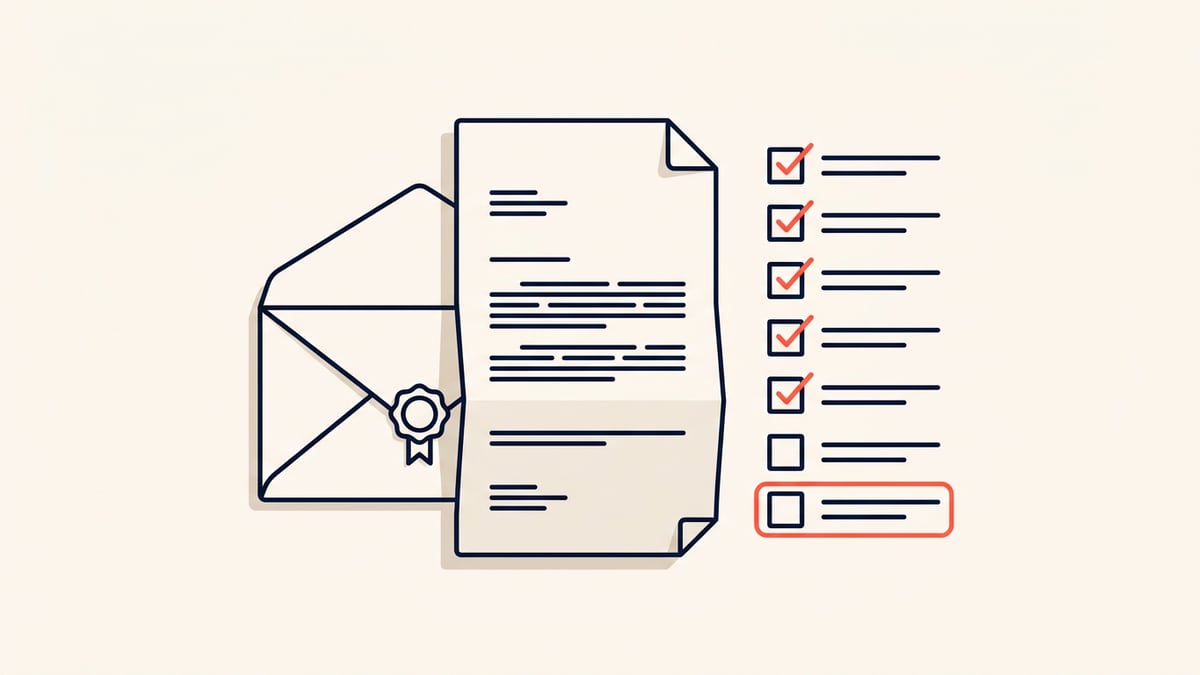
What Goes Into a Florida No-Fault Demand Packet (and What Gets It Rejected)
A field guide to assembling a PIP demand that adjusters can't bounce back — from the declarations page to the page-cited treatment narrative.
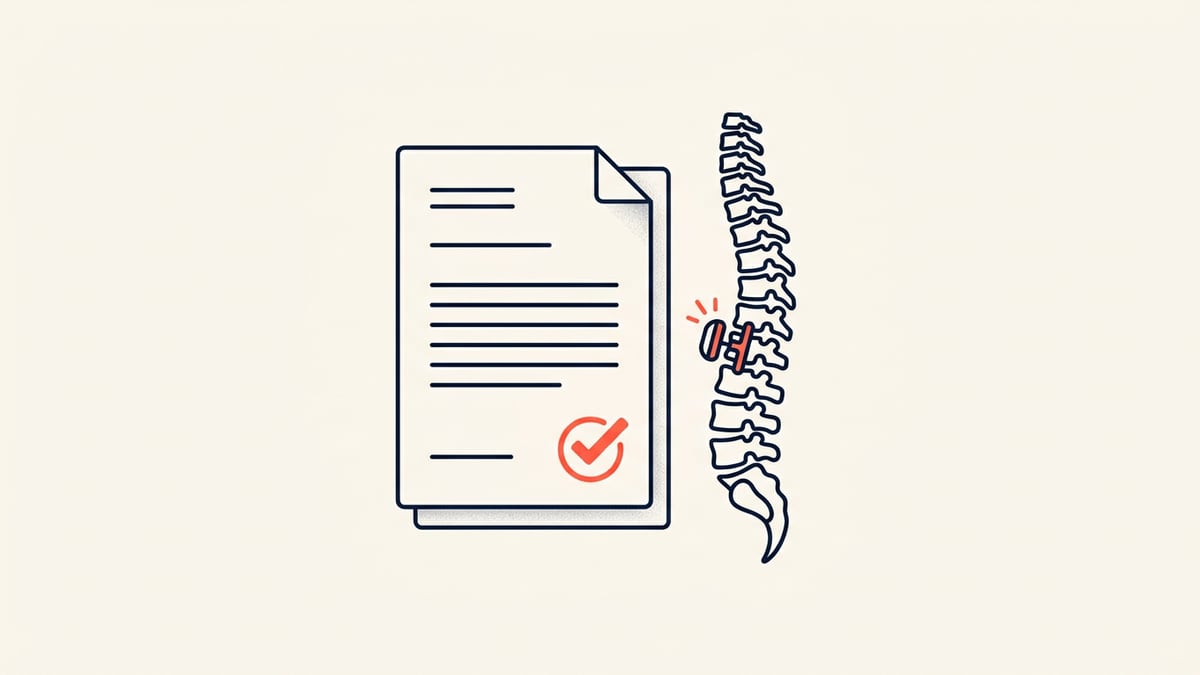
The Medical-Necessity Letter That Gets a Spinal Cord Stimulator Approved
Spinal cord stimulator trials get denied for one reason more than any other: the conservative-care record isn't assembled. Here's the anatomy of a letter that survives the first review.
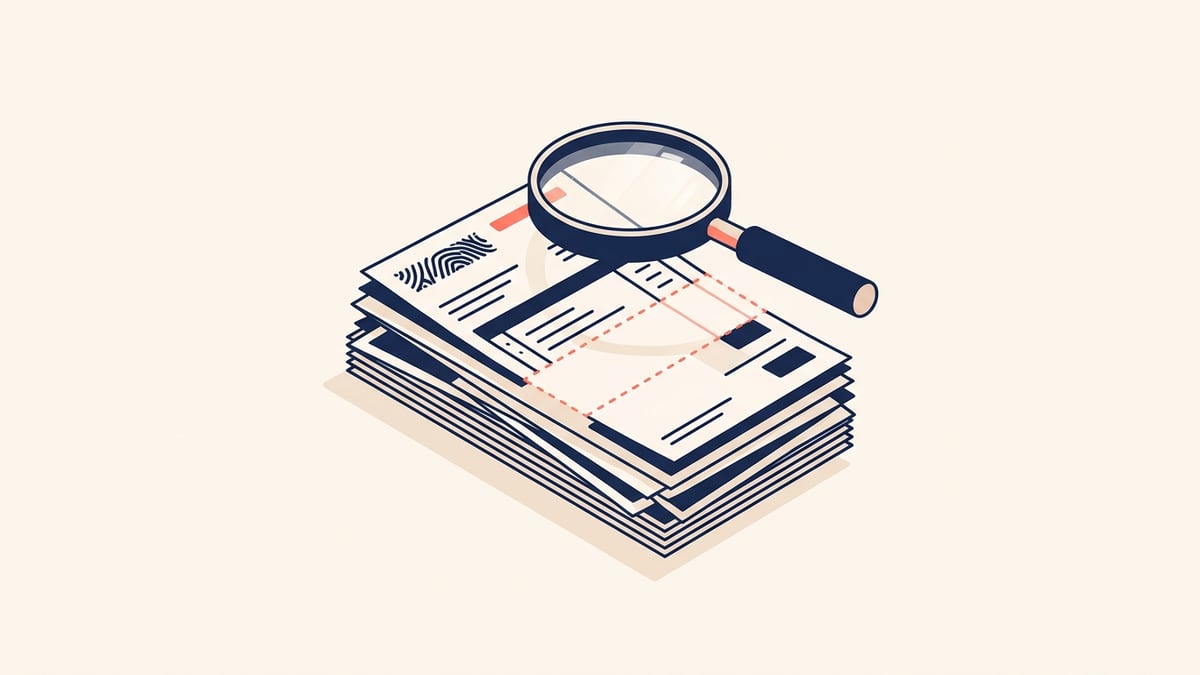
How to Spot Missing ED Facility Bills Before a Deposition
The single most common gap in a PI record set is a separately-billed emergency department charge. Here's how to catch it before opposing counsel does.
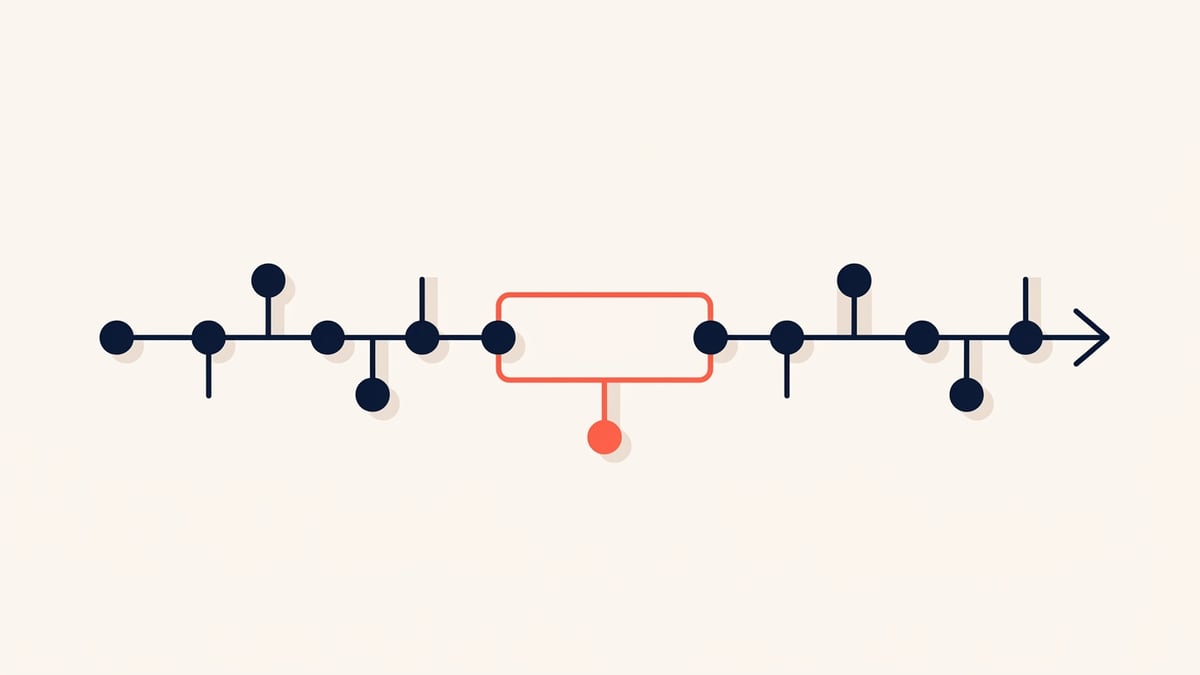
Treatment Gaps That Quietly Kill PI Cases
A gap in treatment is the cheapest argument a defense adjuster has. Here's how gaps form, why they're so damaging, and how to get ahead of them.
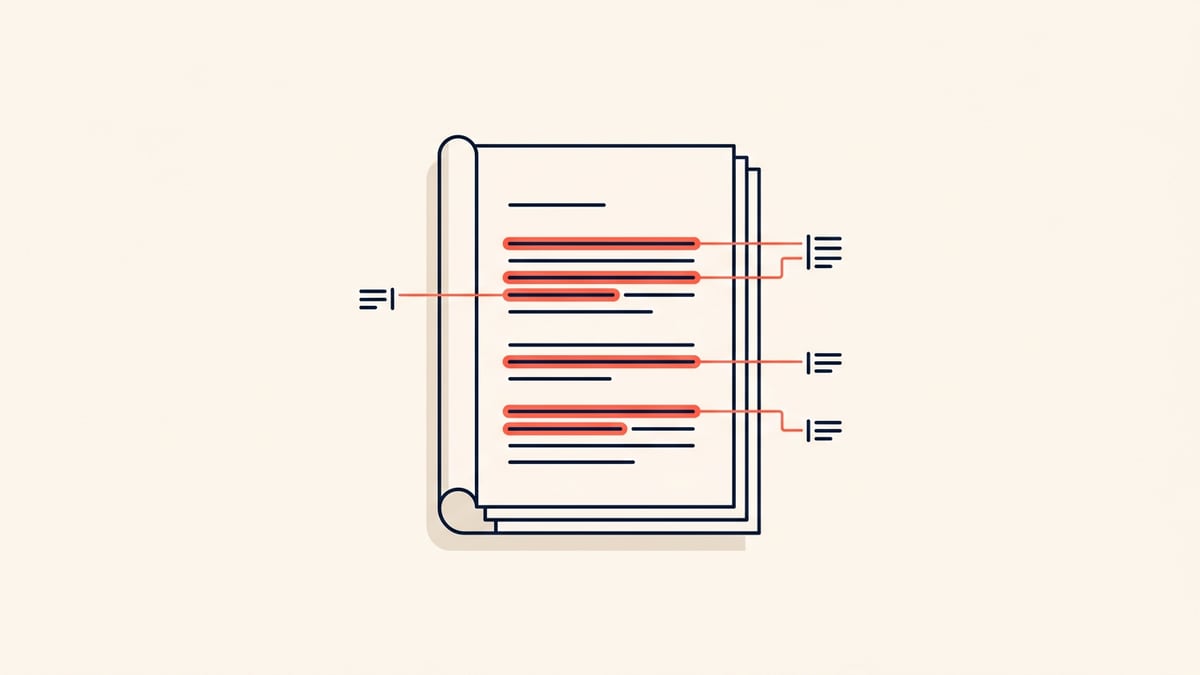
Why Your IME Draft Needs Page-Level Citations
An expert opinion is only as strong as its evidence. In the age of hallucinated AI citations, page-level grounding isn't a nicety — it's the whole job.