Treatment Gaps That Quietly Kill PI Cases
A gap in treatment is the cheapest argument a defense adjuster has. Here's how gaps form, why they're so damaging, and how to get ahead of them.
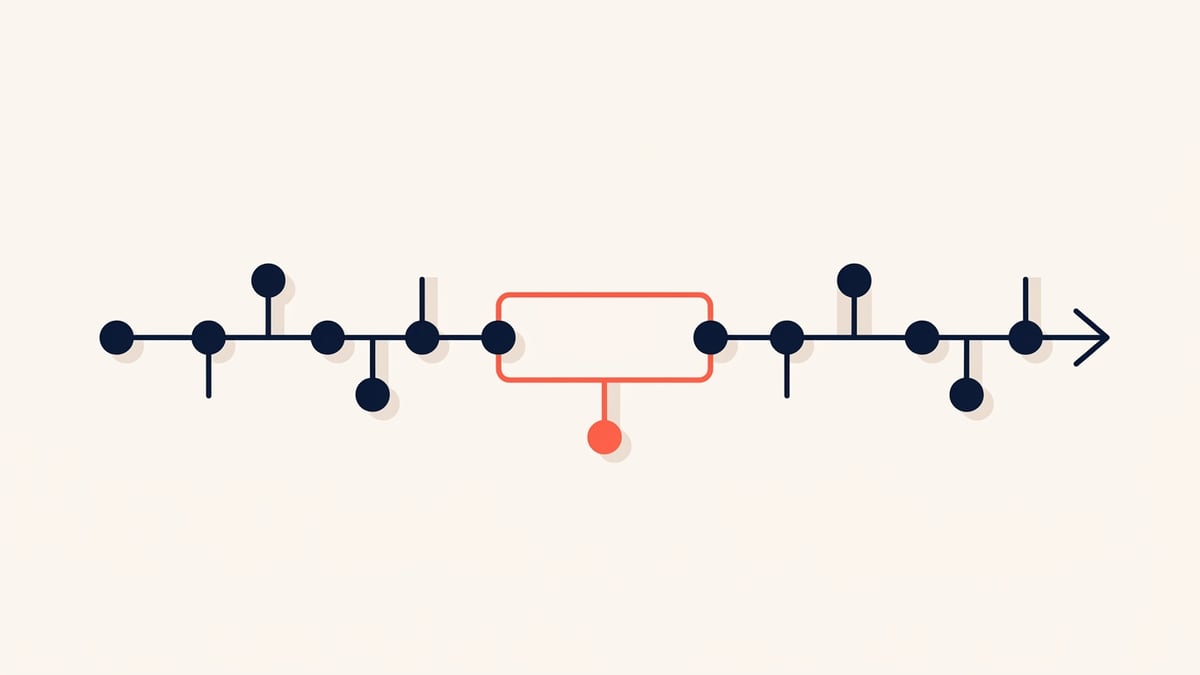
Ask a defense adjuster what they look for first in a treatment record and many will say the same thing: the gaps. A break in treatment is the easiest, cheapest argument they have — and it works, because gaps are easy to spot and hard to explain after the fact.
What a “gap” actually signals — and what it usually means
To an adjuster, an unexplained 60-day break in treatment reads as: the claimant recovered, then resumed treatment for litigation. That’s the inference, fair or not.
But most gaps have innocent explanations:
- The patient couldn’t afford the co-pays.
- A referral took weeks to schedule.
- They switched providers and the new records live somewhere else.
- They were waiting on authorization for the next procedure.
The problem isn’t the gap. The problem is an unexplained gap. Silence lets the adjuster write the story.
Gaps hide in plain sight
The frustrating part is that gaps are invisible until you lay the whole timeline out in order. When records arrive provider-by-provider — physical therapy in one stack, the orthopedist in another, imaging in a third — a continuous course of care can look fragmented, and a real gap can hide behind a misfiled note.
You can’t address what you can’t see. And you can’t see it until the chronology is assembled across every provider, in date order.
Get ahead of the gap
The move is always the same: surface the gap early, then neutralize it in the narrative before you send the demand.
- Build the chronology across all providers, in strict date order.
- Flag every interval over ~30 days with no documented treatment.
- For each one, find the explanation — or get it from the client.
- Address it directly in the demand narrative so the adjuster never gets to.
How CaseOS flags them
CaseOS surfaces treatment gaps automatically as it assembles the chronology — marking intervals with no documented care so you can explain them on your terms, not the adjuster’s.
A gap you’ve explained is a footnote. A gap they found is a discount.
Book a demo and we’ll run it on a file you’re working now.