What Goes Into a Florida No-Fault Demand Packet (and What Gets It Rejected)
A field guide to assembling a PIP demand that adjusters can't bounce back — from the declarations page to the page-cited treatment narrative.
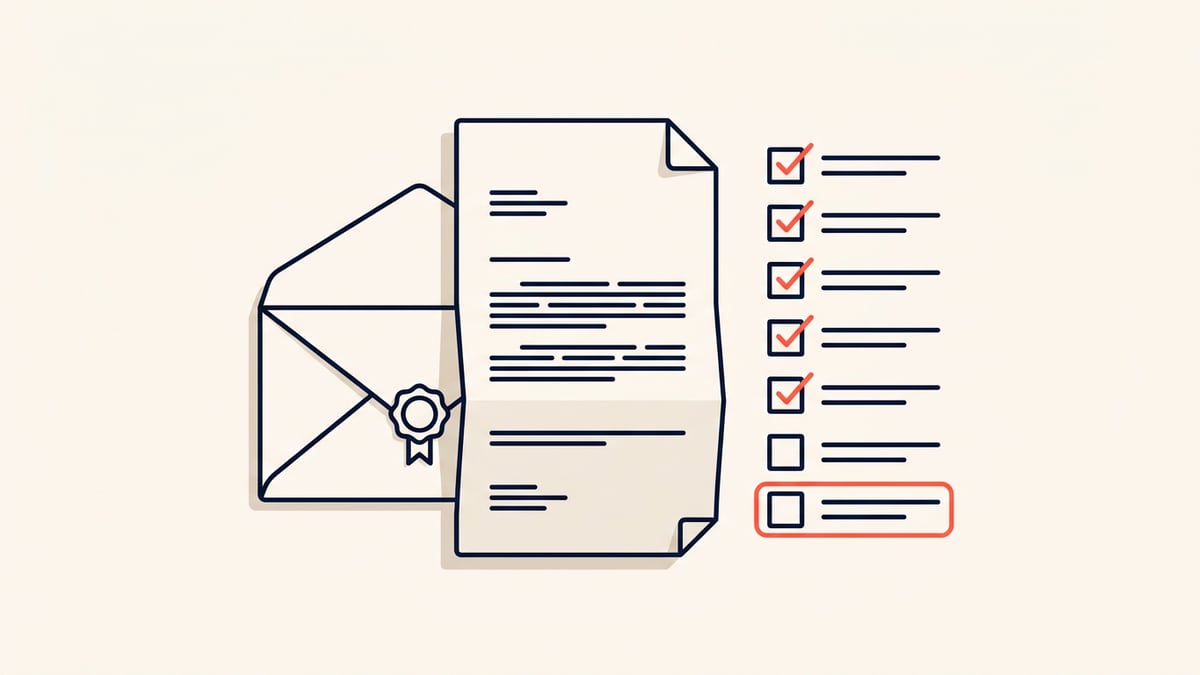
Florida’s no-fault system runs on documentation. A Personal Injury Protection (PIP) demand that’s missing a single required element doesn’t get negotiated — it gets returned, and your clock keeps running. Here’s what a complete packet actually contains, and where most demands quietly fall apart.
The non-negotiable elements
A PIP demand under Fla. Stat. § 627.736 has to establish a few things cleanly:
- The policy and the insured. Declarations page, named insured, date of loss, and claim number — front and center.
- The treatment, in order. A chronological account of every visit, diagnosis, and procedure, tied to dates.
- The bills. Itemized charges from every provider — and this is where packets break.
- The amount in dispute. A clear statement of what’s owed and why.
None of that is surprising. The problem is never knowing what goes in the packet. The problem is assembling it from 400 pages of fragmented records under a deadline.
Where demands actually fall apart
In practice, three things sink PIP demands:
1. Missing bills
Hospital facility, ED physician, anesthesia, radiology, and imaging are often billed separately. Miss one and your specials are understated — which understates the demand. We’ve seen public PI accounts describe an average of three missing document sets per demand. Every missing bill is leverage you handed back.
2. The uncited narrative
If your treatment narrative says “the claimant underwent extensive physical therapy” without a page reference, the adjuster has no reason to credit it. A narrative where every assertion links back to a specific page and line is much harder to discount.
3. The unexplained gap
A 60-day hole in treatment with no explanation reads, to an adjuster, as “the claimant got better.” If there’s a gap, address it in the narrative — don’t let the reader fill it in for you.
The fix isn’t a better template — it’s better assembly
Most firms already have a strong demand template. The bottleneck is the hours of record review before the template gets filled in: building the chronology, tallying the bills, finding the gaps, and preserving the page references.
That’s exactly the work CaseOS automates. It reads the full record set, assembles a page-cited chronology, itemizes the bills it finds, flags the missing ones, and drops the result into your house format — so the demand writer starts from a complete draft instead of a stack of PDFs.
A demand is only as strong as the records behind it. Make every fact one click from its source page, and the adjuster has far less room to negotiate down.
Want to see what CaseOS produces from a real PIP file? Book a 15-minute demo.